


Published: 2026-01-27 20:49
NHS rolls out genetics programme for inherited cancer risk screening
The NHS is embarking on a significant expansion of its genetic testing capabilities, launching a programme designed to identify thousands of individuals at high risk of inherited cancers. This initiative aims to integrate advanced genomic screening into routine care, offering proactive monitoring and personalised prevention strategies for those predisposed to certain malignancies. Described as a world-first in its scale and systematic approach within a national health service, the programme represents a pivotal shift towards predictive and preventative medicine in oncology.
Proactive Identification of Inherited Risk
The core objective of this new programme is to systematically identify individuals who carry genetic mutations known to significantly increase their lifetime risk of developing specific cancers. While the full scope of the programme will unfold over time, initial focus is expected to centre on well-established inherited cancer syndromes, such as those linked to breast, ovarian, prostate, and colorectal cancers.
Traditionally, genetic testing for inherited cancer risk has often been reactive, primarily offered to individuals already diagnosed with cancer or those with a very strong family history. This new programme seeks to broaden access, moving towards a more proactive model where at-risk individuals might be identified earlier, potentially before cancer develops.
Identifying these genetic predispositions allows for several crucial interventions:
- Enhanced Surveillance: Individuals can be enrolled in tailored screening programmes, often starting at an earlier age or with greater frequency than the general population.
- Risk-Reducing Strategies: Options such as prophylactic surgery or chemoprevention may be considered, following detailed consultation and risk assessment.
- Family Cascade Testing: Once a mutation is identified in an individual, their close relatives can also be offered testing, enabling a wider family to understand and manage their risk.

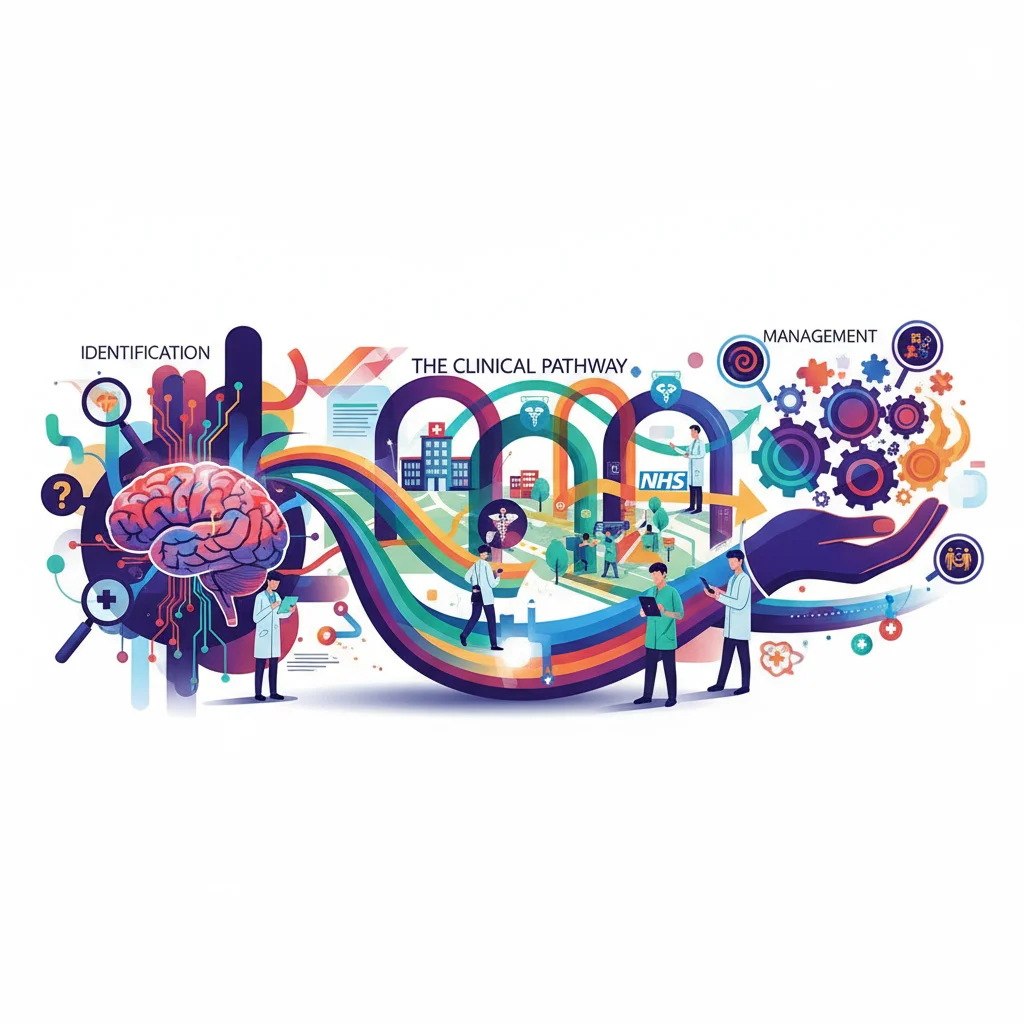
The Clinical Pathway: From Identification to Management
The implementation of such a comprehensive programme necessitates a robust and integrated clinical pathway. While specific details will evolve, the general process is anticipated to involve several key stages:
| Stage | Description | Key Professionals Involved |
|---|---|---|
| Risk Assessment & Referral | Initial identification of individuals who might benefit from genetic testing, often based on personal or family medical history. | GPs, oncologists, specialist nurses, other healthcare professionals. |
| Genetic Counselling (Pre-test) | Detailed discussion about the implications of genetic testing, potential results, psychological impact, and informed consent. | Genetic counsellors, clinical geneticists. |
| Genetic Testing | Collection of a biological sample (e.g., blood or saliva) for genomic analysis in a specialist laboratory. | Phlebotomists, laboratory scientists. |
| Results & Post-test Counselling | Communication of test results, explanation of their meaning, and discussion of management options. Support for psychological impact. | Genetic counsellors, clinical geneticists. |
| Personalised Management | Implementation of tailored surveillance, risk-reducing interventions, or treatment plans based on genetic findings. | Oncologists, surgeons, specialist nurses, GPs, other relevant specialists. |
The role of genetic counselling is paramount throughout this process. It ensures that individuals fully understand the complex implications of genetic information, including the potential for uncertain results, the psychological burden of knowing one’s risk, and the impact on family members.
Implications for UK Clinicians
This programme will have far-reaching implications across various clinical specialities within the NHS.
Primary Care
General practitioners will likely play a crucial role in the initial identification of individuals who might meet referral criteria for genetic testing. Enhanced awareness and education for GPs regarding family history taking and appropriate referral pathways will be essential. This may involve new digital tools or updated guidelines to support clinical decision-making at the primary care level.
Oncology and Specialist Services
Oncologists, surgeons, and specialist nurses in areas such as breast, gynaecological, and colorectal cancer will see an increased number of patients identified through the programme. This will necessitate expertise in managing patients with inherited predispositions, including the coordination of intensified screening protocols and discussions around risk-reducing surgeries or medical therapies. Multidisciplinary team (MDT) meetings will need to incorporate genomic data more routinely.
Clinical Genetics Services
Clinical genetics departments and genetic counselling services will experience a significant increase in demand. Workforce planning and training for genetic counsellors and clinical geneticists will be critical to manage the anticipated volume of referrals and ensure timely, high-quality care. This expansion will also require robust infrastructure for data management and secure communication of sensitive genetic information.
Laboratory Services
NHS Genomic Medicine Centres and associated laboratories will be central to the programme’s success. They will be responsible for processing a higher volume of genetic tests, ensuring accuracy, and providing timely results. Standardisation of testing methodologies and reporting across the network will be vital.
Benefits and Challenges
The benefits of a national inherited cancer risk screening programme are substantial. Early identification can lead to earlier diagnosis of cancer, often at a more treatable stage, or even prevention through proactive measures. This has the potential to improve patient outcomes, enhance quality of life, and reduce the long-term burden of advanced cancer treatment on the NHS. Furthermore, it empowers individuals and families with knowledge, allowing them to make informed health decisions.
However, the implementation also presents significant challenges:
- Workforce Capacity: Ensuring sufficient numbers of trained genetic counsellors, clinical geneticists, laboratory staff, and other specialists will be a major undertaking.
- Ethical and Psychological Considerations: Managing the psychological impact of receiving a high-risk genetic result, addressing potential discrimination, and ensuring equitable access to testing and follow-up care are paramount.
- Data Management and Privacy: Handling vast amounts of sensitive genomic data requires robust IT infrastructure, stringent data security, and clear policies for data sharing and storage.
- Managing Expectations: It is crucial to communicate that genetic testing does not eliminate cancer risk entirely, and that not all cancers are inherited. The programme must be framed within a broader context of cancer prevention and early detection.
- Cost-Effectiveness: While the long-term benefits are anticipated, the initial investment in infrastructure, training, and testing will be considerable. Demonstrating cost-effectiveness will be an ongoing process.
A Step Towards Personalised Healthcare
This national genetics programme for inherited cancer risk screening marks a significant advancement in the NHS’s journey towards personalised medicine. By leveraging the power of genomics, the health service aims to move beyond a ‘one-size-fits-all’ approach, offering care that is tailored to an individual’s unique genetic makeup and risk profile.
The programme aligns with broader NHS strategies to embed genomics into mainstream healthcare, building on the foundations laid by initiatives like the Genomic Medicine Service. As the programme rolls out, ongoing evaluation, clinician feedback, and patient engagement will be crucial to refine pathways, address challenges, and maximise its potential to transform cancer prevention and care across the UK.
Source: NHS England New