


Published: 2025-12-23 16:10
Evaluating AI and Expert Decisions in Neuroendocrine Neoplasms: The ARTEMIS Study
The ARTEMIS study represents a significant step in the exploration of artificial intelligence (AI) in clinical decision-making, particularly in the context of neuroendocrine neoplasms (NENs). This pilot study aimed to compare the therapeutic decisions made by AI systems against those made by expert clinicians in simulated clinical cases. As the healthcare landscape continues to evolve with the integration of technology, understanding the implications of such studies is crucial for clinicians, policymakers, and patients alike.
What happened
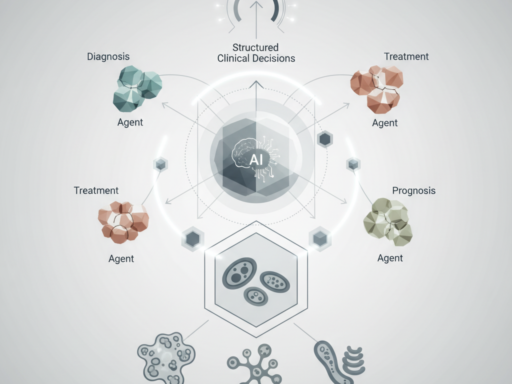
The ARTEMIS study was designed to assess the performance of AI algorithms in making treatment decisions for neuroendocrine neoplasms, a group of rare tumours that can be challenging to diagnose and manage. In this pilot study, researchers presented a series of simulated clinical cases to both AI systems and expert clinicians. The objective was to determine how well AI could replicate or enhance the decision-making process of experienced healthcare professionals.
The results indicated that AI systems were able to provide therapeutic recommendations that were comparable to those of human experts in many cases. However, the study also highlighted areas where AI struggled, particularly in complex scenarios that required nuanced understanding and contextual awareness. This raises important questions about the role of AI in clinical settings, especially in fields that require a high degree of clinical judgement.
Why it matters in the UK
In the UK, neuroendocrine neoplasms are relatively rare, which can lead to challenges in diagnosis and treatment due to limited clinical experience among healthcare providers. The integration of AI into clinical practice could potentially bridge this gap by providing consistent and evidence-based recommendations, thereby improving patient outcomes.
Moreover, the NHS is actively exploring the use of AI to enhance diagnostic accuracy and treatment efficacy. The findings from the ARTEMIS study could influence how AI technologies are adopted within the NHS, particularly in oncology and rare diseases. As the UK healthcare system seeks to improve efficiency and patient safety, understanding the strengths and limitations of AI in decision-making is essential.
Evidence & limitations

While the ARTEMIS study provides valuable insights into the potential of AI in clinical decision-making, it is important to consider its limitations. The study was a pilot, meaning that the sample size and scope may not fully represent the complexity of real-world clinical scenarios. Additionally, the simulated nature of the cases may not capture the full range of variables that clinicians face in practice.
Furthermore, the study’s findings highlight that while AI can assist in decision-making, it is not infallible. The nuances of human judgement, particularly in complex cases, remain a critical component of effective healthcare. As such, the integration of AI should be viewed as a complementary tool rather than a replacement for expert clinicians.
Regulation & governance
The introduction of AI into clinical practice raises important regulatory and governance considerations. In the UK, the Medicines and Healthcare products Regulatory Agency (MHRA) oversees the safety and effectiveness of medical devices, including AI systems used in healthcare. The National Institute for Health and Care Excellence (NICE) also plays a role in evaluating the clinical and cost-effectiveness of new technologies.
Furthermore, the Care Quality Commission (CQC) is responsible for ensuring that healthcare providers meet essential standards of quality and safety. As AI technologies become more prevalent, these regulatory bodies will need to establish clear guidelines to ensure that AI applications are safe, effective, and ethically implemented.
Data protection is another critical aspect, governed by the Information Commissioner’s Office (ICO). Ensuring patient data privacy and security is paramount, particularly when AI systems are trained on sensitive health information.
What happens next

The ARTEMIS study serves as a foundation for further research into the role of AI in managing neuroendocrine neoplasms and other complex medical conditions. Future studies will likely expand on these findings, exploring the integration of AI in real-world clinical settings and assessing its impact on patient outcomes.
As the healthcare sector continues to evolve, ongoing collaboration between AI developers, clinicians, and regulatory bodies will be essential. This collaborative approach will help to ensure that AI technologies are developed and implemented in a way that prioritises patient safety and enhances clinical decision-making.
Key takeaways
- The ARTEMIS study compares AI-based therapeutic decisions to those made by expert clinicians in neuroendocrine neoplasms.
- AI demonstrated comparable performance to human experts in many simulated cases, but struggled with complex scenarios.
- The integration of AI in the UK could improve diagnosis and treatment of rare conditions, addressing gaps in clinical experience.
- Limitations of the study include its pilot nature and the simulated context, which may not fully reflect real-world complexities.
- Regulatory bodies like MHRA, NICE, and CQC will play a crucial role in overseeing the safe and effective use of AI in healthcare.
- Future research will be needed to assess the real-world impact of AI on patient outcomes and clinical practice.
Source: Nature