


Published: 2025-12-21 07:31
NHS Strikes and the Winter Pressure: An Analysis of Challenges Ahead
The Context of NHS Strikes
The National Health Service (NHS) finds itself in a precarious position with ongoing strikes from resident doctors. These strikes are fuelled by grievances over pay, working conditions, and staffing shortages, which have been exacerbated by years of underfunding and policy changes.
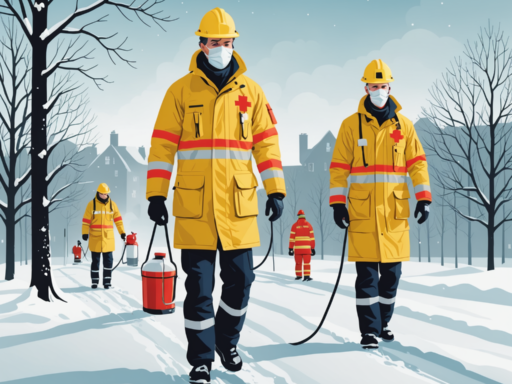
As winter approaches, the situation becomes even more critical. Historically, this season has placed immense pressure on the NHS, with rising cases of respiratory infections, flu, and other seasonal ailments. The combination of industrial action and winter pressures poses significant challenges for healthcare delivery.
The Impending Winter Crisis
Every winter, the NHS braces for a surge in patient demand. Factors contributing to this seasonal increase include:
- Higher incidence of flu and respiratory illnesses.
- Increased hospital admissions due to fall-related injuries among the elderly.
- Higher levels of mental health crises often seen during the winter months.
This year, the NHS is particularly vulnerable. The effectiveness of the vaccination programme will play a crucial role in preventing severe outcomes, but with workforce disruptions, the strategy may falter.
Impact of Strikes on Patient Care
Healthcare workers’ strikes bring forth various implications for patient services:
- Elective procedures: Many non-urgent surgeries and appointments have already been postponed or cancelled, contributing to the growing backlog of cases.
- Emergency care: Emergency departments face staffing shortages, leading to longer wait times and potential declines in patient outcomes.
- Public trust: Repeated strikes can erode public confidence in the NHS, complicating the relationship between providers and patients.
With limited staff available during the strikes, the NHS may struggle to provide timely care, further straining resources during this already challenging time.
Staff Shortages: A Long-standing Issue
Staff shortages within the NHS are not a new phenomenon but have been exacerbated by the COVID-19 pandemic. Many workers left the profession due to burnout, retirements, or seeking opportunities in other sectors.
Statistics from recent reports indicate that the NHS is currently experiencing a deficit of tens of thousands of nurses and doctors. As winter approaches, this shortfall raises alarm bells:
- Ill-equipped to handle surges in demand.
- Increased pressure on the remaining staff, leading to further morale issues.
- Potential compromises on patient safety and care quality.
As strikes continue, the attrition rate of staff may only worsen the existing situation, creating a vicious cycle of shortages and dissatisfaction.
Government Response and Policy Directions
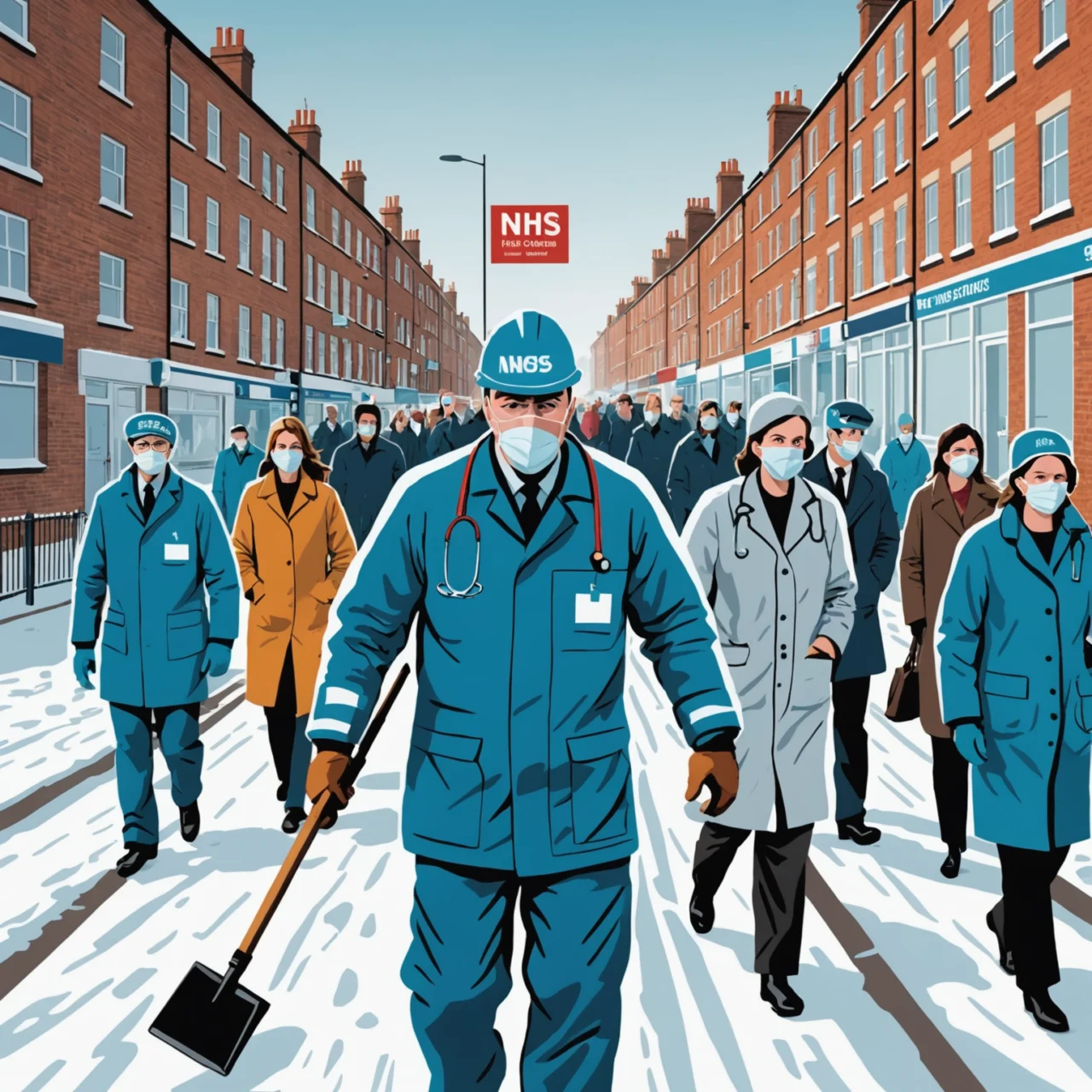
The government’s response to the strikes and impending winter challenges has implications for the future of the NHS. Efforts to address these issues must be immediate and multifaceted:
- Increased funding: Allocating more resources to the NHS, especially in preparation for winter, is essential. This includes money for staff bonuses, recruitment drives, and improved working conditions.
- Negotiating pay: Addressing the pay concerns of healthcare workers through negotiations can go a long way in alleviating strike actions and restoring workforce stability.
- Reassessing healthcare policies: Long-term strategies must be reevaluated to ensure they meet the needs of current and future healthcare landscapes, including workforce planning and training programmes.
Without effective government intervention, the situation could worsen, leading to more widespread protests and instability within the healthcare system.
The Role of Community and Social Care
In the face of winter pressures, community and social care play a vital role in alleviating the burden on the NHS. Some vital points include:
- Preventative care: Encouraging individuals to seek preventive measures, including vaccinations and health screenings, can reduce hospital pressure.
- Integration with social services: A well-integrated approach between health and social care can facilitate quicker discharges and care at home, alleviating hospital congestion.
- Support for health professionals: Community health workers must be adequately supported to take on additional roles, such as managing chronic illnesses to prevent emergency admissions.
By fostering more effective partnerships between community services and the NHS, it may be possible to mitigate some of the expected pressures during winter.
The Patient Experience Amidst Uncertainty

For patients, uncertainty reigns. The fear of delayed care or a compromised healthcare experience can lead to anxiety and distrust. The following factors significantly influence patient experiences:
- Communication: Clear updates regarding service interruptions and expected wait times are crucial to maintaining trust.
- Access to information: Patients must know where to seek care and how to navigate the system during strikes and service reductions.
- Understanding patient rights: Patients should be aware of their rights during strikes, including how to access urgent care if required.
Transparency will be key during this tumultuous period, allowing patients to feel informed and prepared for potential disruptions in services.
What This Means in Practice
As the NHS faces the dual challenges of strikes and winter pressures, the coming months will be critical in determining the health services’ future functionality. While strikes reflect genuine grievances among workers, their cumulative impact on patient care cannot be overlooked. The government must act decisively to restore escalating tensions while ensuring that appropriate resources are allocated for the looming winter crisis.
In essence, understanding the complex landscape of strike action alongside winter pressures can help all stakeholders navigate this challenging period with optimism and renewed purpose.