
Published: 2026-01-28 16:50
UKRI-Supported ‘Fixing Our Broken Planet’ Exhibition Engages Over 2 Million
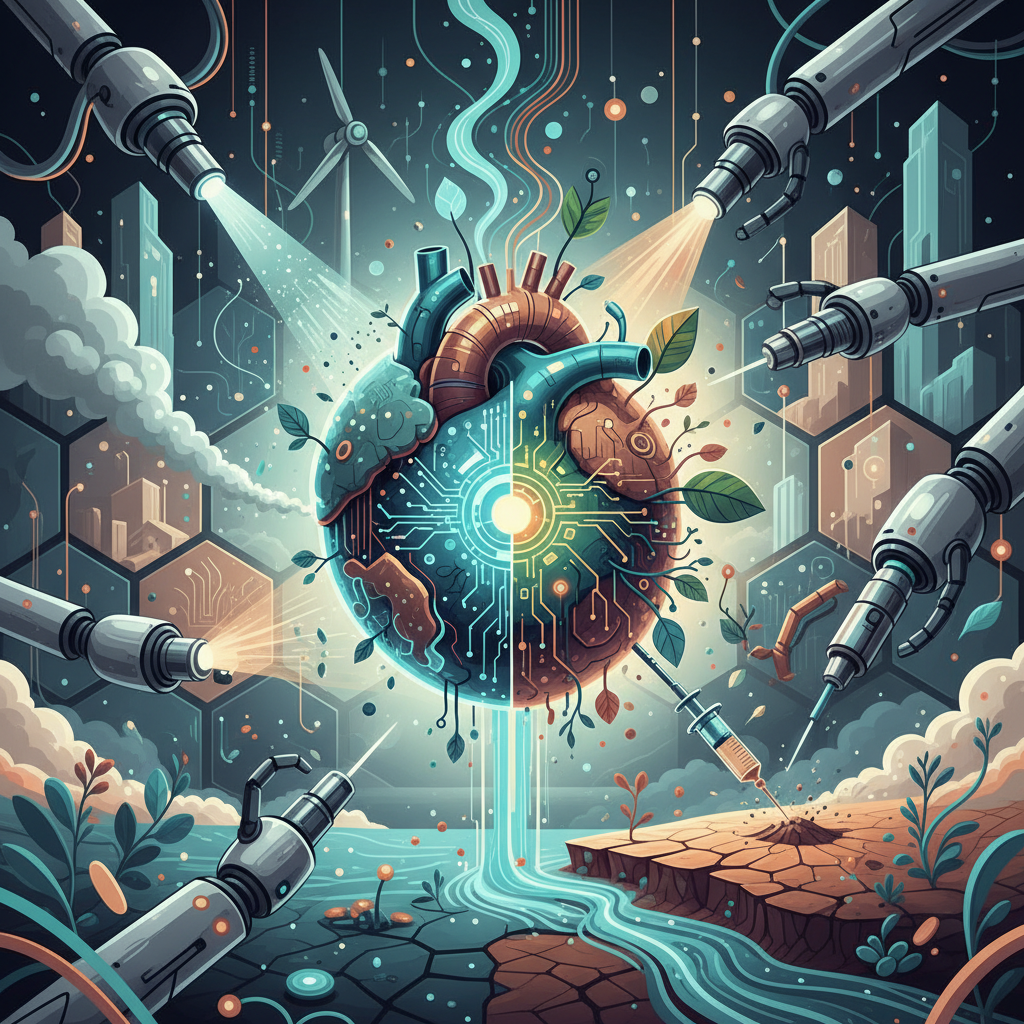
A major exhibition supported by UK Research and Innovation (UKRI), titled ‘Fixing Our Broken Planet’, has successfully engaged over two million visitors since its opening at the National History Museum April Last year. This significant milestone underscores the public’s growing interest in environmental sustainability and the critical role of scientific research in addressing global challenges. The exhibition, designed to illuminate the complex issues facing our planet, highlights the urgent need for innovative solutions and collective action.
The achievement reflects a broad public appetite for understanding the scientific underpinnings of environmental crises and the potential pathways to recovery. For healthcare professionals, this engagement is particularly pertinent, given the increasingly recognised links between planetary health and human health outcomes.
Exploring Environmental Challenges and Solutions
The ‘Fixing Our Broken Planet’ exhibition delves into a range of pressing environmental concerns, from climate change and biodiversity loss to resource depletion and pollution. It presents these complex topics through interactive displays and exhibits, aiming to make scientific research accessible and engaging for a diverse audience. The core message revolves around the idea that while the challenges are significant, human ingenuity and scientific endeavour offer tangible hope for a sustainable future.
Visitors are guided through various aspects of environmental science, showcasing how different disciplines contribute to understanding and mitigating ecological damage. This includes insights into sustainable energy, circular economy principles, conservation efforts, and the development of new technologies designed to reduce environmental impact. The exhibition effectively communicates the interconnectedness of natural systems and the profound influence human activities exert on them.
UKRI’s Commitment to Public Engagement and Research
UKRI, the largest public funder of research and innovation in the UK, plays a crucial role in supporting initiatives like ‘Fixing Our Broken Planet’. Its mandate extends beyond funding groundbreaking research to fostering public understanding and engagement with science. By backing such exhibitions, UKRI aims to bridge the gap between scientific discovery and public awareness, empowering individuals with knowledge to make informed decisions.
The organisation brings together nine councils, each focusing on distinct areas of research and innovation, including the Medical Research Council (MRC), Natural Environment Research Council (NERC), and Biotechnology and Biological Sciences Research Council (BBSRC). This diverse portfolio allows UKRI to support interdisciplinary research that addresses complex societal challenges, many of which have direct or indirect environmental components.
UKRI’s support for the exhibition aligns with its strategic objectives to:
- Enhance the impact of UK research and innovation.
- Inspire future generations of researchers and innovators.
- Promote a deeper public understanding of science and its benefits.
- Facilitate collaboration across scientific disciplines and sectors.
Such public-facing initiatives are vital for demonstrating the value of public investment in research and for translating scientific knowledge into societal benefit.

The Health-Environment Nexus: A Clinical Perspective
For healthcare professionals, the themes explored in ‘Fixing Our Broken Planet’ resonate deeply with the evolving understanding of public health. The concept of planetary health recognises that human health and civilisation depend on the flourishing of natural systems. Environmental degradation directly impacts health in numerous ways, presenting new challenges for clinical practice and public health policy.
Key areas where environmental issues intersect with health include:
- Air Pollution: Exposure to particulate matter and other pollutants from fossil fuels and industrial processes contributes significantly to respiratory diseases (e.g., asthma, COPD), cardiovascular conditions, and certain cancers.
- Climate Change: Rising global temperatures lead to heat-related illnesses, altered patterns of infectious diseases (e.g., vector-borne diseases like Lyme disease or West Nile virus spreading to new regions), food insecurity, and mental health impacts due to extreme weather events and displacement.
- Water Contamination: Pollution of water sources can lead to gastrointestinal diseases, exposure to harmful chemicals, and impacts on sanitation and hygiene, particularly in vulnerable populations.
- Biodiversity Loss: The decline in species diversity can affect the discovery of new medicines, disrupt ecosystem services vital for health (e.g., pollination, water purification), and potentially increase the risk of zoonotic disease emergence.
- Chemical Exposure: Persistent organic pollutants, plastics, and other industrial chemicals found in the environment can act as endocrine disruptors, neurotoxins, or carcinogens, with long-term health consequences.
Understanding these connections is crucial for clinicians, who are increasingly encountering patients whose health conditions are exacerbated or directly caused by environmental factors. This necessitates a broader approach to patient care, incorporating environmental considerations into diagnostics, treatment plans, and preventative health advice.
Research and Innovation Driving Health Solutions
The exhibition implicitly highlights the critical role of UKRI-funded research in addressing these intertwined environmental and health challenges. For instance, research supported by the MRC investigates the health impacts of climate change and pollution, while NERC-funded projects focus on understanding ecosystem dynamics and environmental resilience. BBSRC research contributes to sustainable food systems and biotechnological solutions.
Interdisciplinary research, often facilitated by UKRI, is essential for developing comprehensive solutions. This includes:
- Developing early warning systems for climate-sensitive health risks.
- Innovating sustainable healthcare practices to reduce the NHS’s carbon footprint.
- Researching novel treatments for environmentally induced diseases.
- Creating new materials and technologies that minimise environmental harm and promote health.
The exhibition serves as a powerful reminder that investing in environmental science is, in many ways, investing in public health.
The Impact of Public Engagement
Reaching over two million visitors signifies a substantial public engagement success. Such exhibitions play a vital role in:
- Raising Awareness: Educating the public about the severity of environmental crises and their personal relevance.
- Inspiring Action: Motivating individuals to adopt more sustainable lifestyles and support environmental policies.
- Fostering Dialogue: Creating a platform for discussions about scientific solutions and societal responsibilities.
- Shaping Future Generations: Encouraging young people to pursue careers in science, technology, engineering, and mathematics (STEM), particularly in environmental fields.
For healthcare professionals, an environmentally aware public can lead to greater receptiveness to health advice related to environmental factors and support for broader public health initiatives aimed at environmental protection. It also underscores the importance of clinicians themselves being informed advocates for planetary health within their communities and professional networks.
The sustained interest in ‘Fixing Our Broken Planet’ demonstrates a collective recognition that the health of our planet is inextricably linked to the health of its inhabitants. As UKRI continues to support cutting-edge research, public engagement initiatives like this remain crucial for translating scientific understanding into tangible progress towards a healthier, more sustainable future for all.
Source: UKRI